
Date: 07 Nov 2026 | Category : cerebral palsy rehabilitation
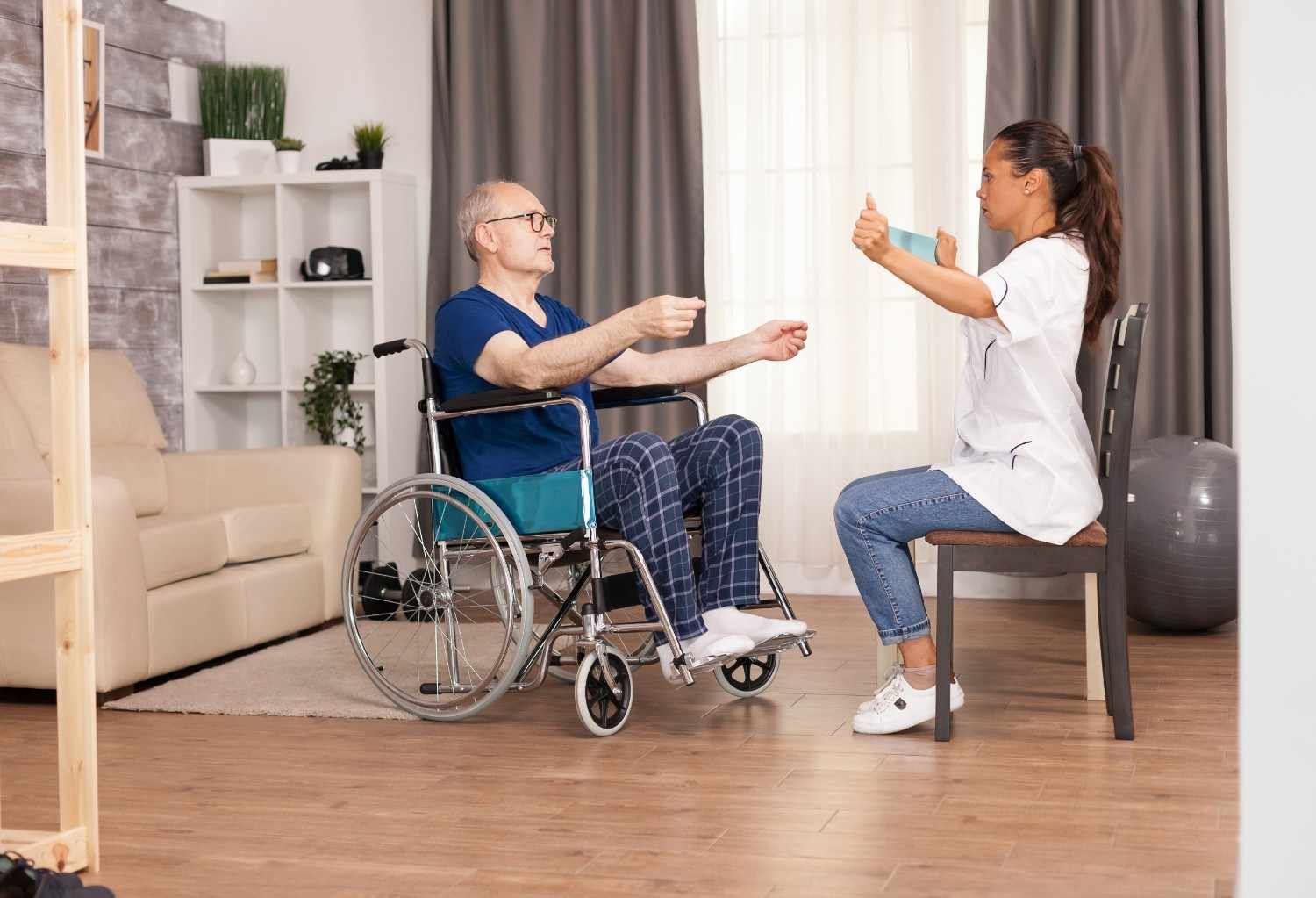
Cerebral palsy can affect a child's muscle control, posture, balance, and ability to perform everyday activities. Muscle stiffness and movement difficulties are common challenges that may interfere with walking, sitting, reaching, and coordination. Neuro Rehab for Cerebral Palsy in Hyderabad focuses on improving functional abilities through structured, individualised rehabilitation programmes. Early intervention and consistent therapy can help children develop better movement patterns and greater independence. For fast notification, contact us on WhatsApp. Muscle stiffness, also known as spasticity, is a common motor problem associated with cerebral palsy. It occurs when abnormal signals from the brain affect muscle tone and movement control. Children with spasticity may experience: Tightness in the arms, legs, or other muscle groups. Difficulty bending or straightening joints. Toe walking or an unusual walking pattern. Limited flexibility and restricted movement. Difficulty maintaining balance and posture. The severity of these symptoms varies from child to child. Therefore, rehabilitation should be planned according to individual needs and functional abilities. Neuro Rehab for Cerebral Palsy in Hyderabad aims to improve motor function, muscle control, and everyday mobility. A structured rehabilitation programme focuses on specific difficulties rather than following the same treatment approach for every child. Therapists assess muscle tone, joint movement, posture, coordination, and developmental abilities before planning therapy. Common rehabilitation goals include improving sitting balance, strengthening muscles, developing walking skills a,nd supporting independent daily activities. Physiotherapy is an important part of cerebral palsy rehabilitation. It helps children improve movement, flexibility, strength, and physical coordination. A personalised physiotherapy programme may include: Stretching Exercises: Gentle stretching helps maintain muscle flexibility and joint mobility. It may also reduce discomfort caused by muscle tightness. Strengthening Exercises: Targeted exercises improve muscle strength and support better control during sitting, standing and walking. Balance Training: Balance activities help children maintain stability while changing positions or performing daily movements. Gait Training: Walking practice focuses on improving walking patterns, weight shifting, coordination, and lower-limb control. The exercises are selected according to the child's age, abilities a,nd rehabilitation goals. Children with cerebral palsy may experience difficulty controlling body movements. Poor trunk stability can affect sitting, standing and reaching activities. Neurorehabilitation uses functional exercises to improve postural control and coordination. Therapists may include activities that encourage controlled movements, weight shifting, and body awareness. These activities can help children practise movements required for everyday tasks. For example, sitting with better support can make feeding and playing easier. Improved trunk control can also support reaching and hand movements. Early rehabilitation can support motor development during important stages of childhood. It helps identify movement limitations and address functional difficulties before they interfere further with daily activities. However, rehabilitation is beneficial at different ages. Older children can also work towards improving mobility, flexibility, strength, and independence. Parents should seek professional assessment if a child shows delayed motor milestones, unusual muscle stiffness, difficulty walking or poor balance. A comprehensive rehabilitation programme may combine different therapeutic approaches based on the child's condition. These may include: Neurodevelopmental Therapy: Supports improved posture, movement control and functional motor skills. Occupational Therapy: Helps children develop skills needed for dressing, feeding, writing, and other daily activities. Balance and Coordination Training: Improves stability and controlled movement. Functional Mobility Training: Encourages practical skills such as sitting, standing, transferring, and walking. Parent Education: Helps caregivers understand positioning, safe handling, and home-based activities. The rehabilitation plan should be reviewed regularly to monitor progress and adjust therapy goals. Choosing the right rehabilitation centre is an important decision for parents. Look for a centre that offers individual assessments, trained rehabilitation professionals, and goal-oriented therapy programmes. Neurigo 360 focuses on supporting children with neurological and developmental challenges through structured rehabilitation approaches. The therapy plan should consider each child's movement difficulties, developmental needs, and daily activities. Parents should also remain involved in the rehabilitation process. Regular communication with therapists helps maintain consistency between clinical sessions and home routines. Muscle stiffness and movement difficulties can affect several aspects of life for children with cerebral palsy. However, appropriate rehabilitation can help improve functional movement, posture, coordination, and participation in everyday activities. Neuro Rehab for Cerebral Palsy in Hyderabad provides a structured approach to addressing these challenges through individualised therapy and regular progress assessment. With early support, consistent practice, and active parental involvement, children can work towards greater mobility and independence. Neurigo 360 aims to support children's rehabilitation journeys through focused, goal-based care. 1. Can neuro rehabilitation help reduce muscle stiffness in cerebral palsy? Yes. Stretching, positioning, strengthening, and other rehabilitation techniques can help manage muscle tightness, maintain flexibility, and improve functional movement. The approach depends on the child's condition. 2. At what age should cerebral palsy rehabilitation begin? Rehabilitation should begin as early as possible after identifying developmental or motor difficulties. Early assessment helps establish appropriate therapy goals. 3. Which exercises are helpful for children with cerebral palsy? Stretching, strengthening, balance training, gait training, and functional movement exercises may be helpful. A therapist should select exercises according to the child's abilities. 4. How often should a child attend neuro rehabilitation sessions? Therapy frequency depends on the child's functional needs, goals, and tolerance. The rehabilitation professional recommends an appropriate schedule after assessment. 5. Can cerebral palsy rehabilitation improve walking ability? Rehabilitation may help improve balance, muscle strength, coordination, and walking skills. The level of improvement varies depending on the child's condition and individual abilities. For more information about Neurigo 360, visit https://share.google/PZcQhGSg1HXKihfay to learn more about their services or to book an appointment.Understanding Muscle Stiffness in Children with Cerebral Palsy
How Neuro Rehab for Cerebral Palsy in Hyderabad Helps Manage Movement Difficulties
Role of Physiotherapy in Cerebral Palsy Rehabilitation
Improving Posture, Coordination and Motor Control
Importance of Early Intervention in Cerebral Palsy Neuro Rehab
What Does a Cerebral Palsy Rehabilitation Programme Include?
Choosing Neuro Rehab for Cerebral Palsy in Hyderabad
Conclusion
Frequently Asked Questions