
Date: 17 Nov 2026 | Category : rehabilitation centre
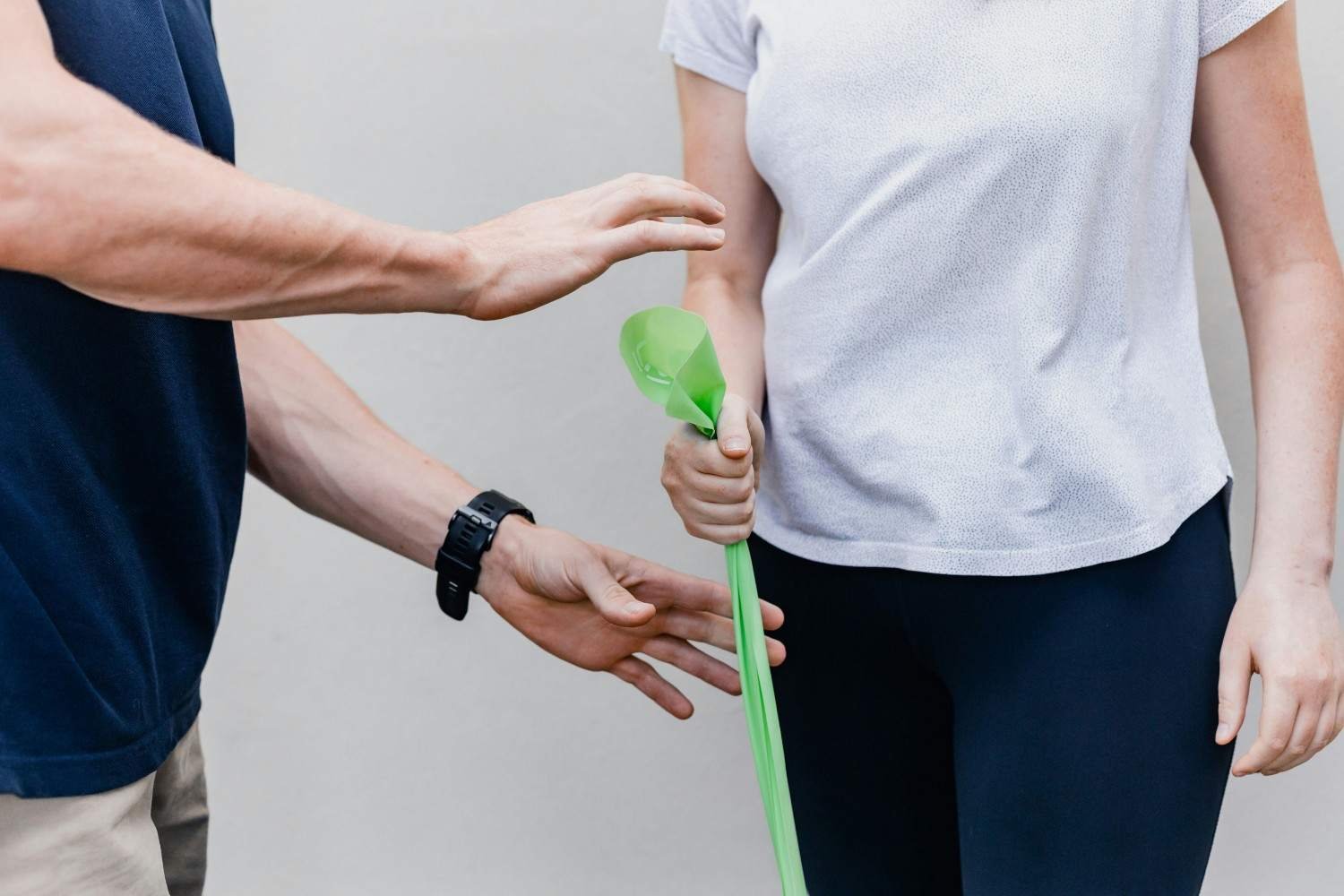
A stroke can affect a person's ability to walk, speak, balance, and perform everyday activities. Recovery may take time and requires the right combination of medical care, therapy, and regular practice. Rehabilitation in Zeta 1, Greater Noida plays an important role in helping stroke survivors regain lost abilities and improve their quality of life. Neuro rehabilitation focuses on improving movement, coordination, muscle strength, and daily functioning. It also helps patients adapt to physical changes after a stroke. With a structured rehabilitation plan, patients can gradually work towards greater independence. At Neurigo 360, the focus is on supporting neurological recovery through personalised rehabilitation approaches. The aim is to help individuals improve their functional abilities and participate more comfortably in everyday life. For fast notification, contact us on WhatsApp. A stroke occurs when the blood supply to part of the brain is interrupted or when a blood vessel in the brain ruptures. As a result, brain cells may become damaged due to a lack of oxygen. The effects of a stroke depend on the area of the brain affected. Some patients experience mild difficulties, while others may need long-term rehabilitation. Common effects include: Muscle weakness: Reduced strength in the arms, legs, or one side of the body. Difficulty walking: Problems with balance, coordination, and movement. Speech difficulties: Trouble speaking, understanding, or communicating. Poor coordination: Difficulty controlling body movements. Swallowing problems: Challenges with eating and drinking safely. Memory issues: Changes in concentration, attention, or memory. These challenges can affect daily activities. Therefore, timely assessment and appropriate rehabilitation are important for recovery. Stroke rehabilitation focuses on helping patients regain abilities affected by brain injury. It involves different therapies based on individual needs and recovery goals. Rehabilitation in Zeta 1, Greater Noida can support patients through structured exercises and specialised neurological therapies. Some important benefits include: Muscle weakness is a common problem after a stroke. Patients may find it difficult to lift their arms, stand, or move their legs. Physiotherapy helps address these challenges through guided exercises. Therapists may recommend strengthening activities, stretching, and controlled movements. Regular practice can help improve muscle function and support better movement. Exercises are adjusted according to the patient's abilities and progress. Stroke survivors may experience difficulty standing or walking without support. Balance problems can also increase the risk of falls. Neuro rehabilitation includes exercises that focus on posture, balance, and walking patterns. Depending on the patient's condition, therapy may include: Supported standing exercises. Walking practice. Balance training. Weight-shifting activities. Coordination exercises. These activities help patients develop better movement control and confidence during daily activities. A stroke can affect hand movement and coordination. This may make simple tasks difficult, such as holding a spoon, buttoning clothes, or picking up objects. Occupational therapy can help patients practise these activities. Therapists may use repetitive movements and task-based exercises to improve hand control. The goal is to make everyday activities easier and help patients become more independent. Some stroke patients experience speech and language difficulties. They may struggle to find words, understand conversations, or express their thoughts. Speech and language therapy can support communication recovery. Treatment may include speaking exercises, language activities, and communication strategies. Patients may also receive support for swallowing difficulties when required. Early assessment is important to identify these problems and plan appropriate care. Stroke recovery is not only physical. It can also affect a person's confidence and emotional health. Patients may feel frustrated when they cannot perform activities they managed easily before the stroke. Family support and encouragement can make a meaningful difference. A structured Rehabilitation in Zeta 1, Greater Noida programme can help patients work towards achievable goals. Small improvements in movement and daily functioning can encourage them to continue therapy. Starting rehabilitation when medically appropriate can help patients begin working on their recovery goals sooner. Early rehabilitation focuses on preventing complications and improving functional abilities. However, the timing and intensity of therapy depend on the patient's medical stability. Some important reasons to consider early rehabilitation include: Helps prevent stiffness and reduced joint movement. Supports better muscle activation. Encourages safe movement and mobility. Helps reduce the risk of complications associated with prolonged immobility. Promotes independence in daily activities. Rehabilitation should always follow medical assessment. The treatment plan must match the patient's condition and tolerance. Every stroke patient has different recovery needs. Therefore, rehabilitation often involves a combination of therapies. Common approaches include: Neurological Physiotherapy: Focuses on improving muscle strength, posture, balance, coordination, and walking ability. Occupational Therapy: Helps patients practise everyday activities such as dressing, eating, bathing, and using household objects. Speech and Language Therapy: Supports patients experiencing communication and swallowing difficulties. Balance and Gait Training: Helps improve walking patterns, stability, and movement control. Functional Training: Focuses on practical movements needed for daily living, such as sitting, standing, transferring, and reaching. The combination of therapies depends on the patient's assessment and rehabilitation goals. Choosing an appropriate rehabilitation centre is an important step in the recovery journey. Patients benefit from a structured approach that considers their individual difficulties, abilities, and progress. Neurigo 360 focuses on neurological rehabilitation and functional improvement. The rehabilitation process may involve: Assessment of movement and functional limitations. Individualised rehabilitation goals. Guided exercises based on patient needs. Regular monitoring of progress. Support for improving daily living activities. Adjustments to therapy as recovery progresses. Patients looking for Rehabilitation in Zeta 1, Greater Noida should consider a centre that understands neurological conditions and provides therapy based on individual requirements. Family members play an important role in supporting stroke survivors. Consistent encouragement and a safe home environment can make rehabilitation easier. Here are some practical suggestions: Follow the rehabilitation schedule recommended by the treating professionals. Keep walking areas clear to reduce the risk of falls. Encourage patients to practise prescribed exercises safely. Provide emotional support and appreciate small improvements. Avoid forcing movements or activities beyond the patient's ability. Attend follow-up appointments and discuss any new difficulties. Caregivers should also understand the patient's limitations and follow professional instructions. Stroke recovery requires patience, consistency, and the right rehabilitation support. Although every patient's recovery journey is different, neuro rehabilitation can help improve muscle strength, balance, coordination, communication, and everyday functioning. Rehabilitation in Zeta 1, Greater Noida can be an important part of the recovery process for individuals who need structured neurological care after a stroke. With personalised therapy, regular practice, and family support, patients can work towards greater independence and an improved quality of life. Neurigo 360 aims to support patients through a focused approach to neurological rehabilitation and functional recovery. Neuro rehabilitation is a specialised therapy approach that helps stroke patients improve movement, balance, coordination, speech, and daily functioning. Rehabilitation can begin once the patient's medical condition is stable and the treating doctor considers therapy safe. The timing depends on the severity of the stroke and individual health needs. Recovery time varies from person to person. Some patients show improvements within weeks, while others may need several months or longer. Physiotherapy can help improve muscle strength, balance, coordination, and walking ability. Results depend on the extent of brain injury and the patient's overall condition. Specialised neuro rehabilitation focuses on problems caused by neurological conditions. It provides targeted exercises and therapies to improve functional abilities and support greater independence. For more information about Neurigo 360, visit https://share.google/PZcQhGSg1HXKihfay to learn more about their services or to book an appointment.Introduction
Understanding Stroke and Its Impact on the Body
How Does Rehabilitation in Zeta 1, Greater Noida Help After a Stroke?
1. Improves Muscle Strength and Movement
2. Helps Improve Walking and Balance
3. Supports Better Hand and Arm Function
4. Helps Improve Speech and Communication
5. Builds Confidence and Emotional Well-Being
Why Is Early Neuro Rehabilitation Important After Stroke?
What Therapies Are Included in Stroke Rehabilitation?
How Does Neurigo 360 Support Stroke Rehabilitation?
Tips for Families Supporting Stroke Recovery at Home
Conclusion
Frequently Asked Questions (FAQs)
1. What is neuro rehabilitation after a stroke?
2. When should stroke rehabilitation begin?
3. How long does stroke rehabilitation take?
4. Can physiotherapy help stroke patients walk again?
5. Why choose specialised neuro rehabilitation?