
Date: 04 Nov 2026 | Category : stroke rehabilitation
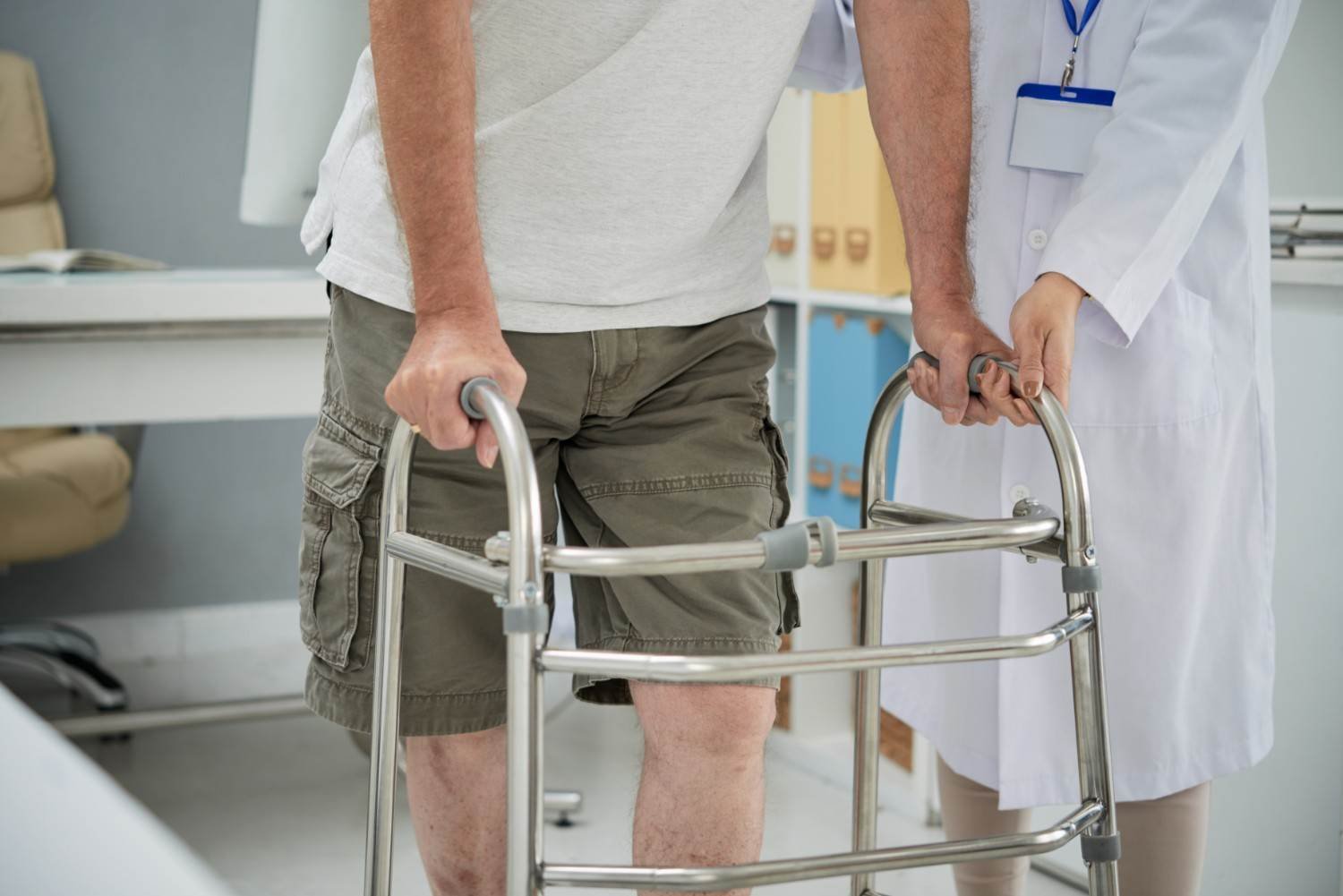
A stroke can bring sudden changes to a person's physical abilities, communication, memory, and independence. Recovery often requires more than initial medical treatment. It involves structured therapy, regular assessments, and emotional support. Stroke Rehabilitation in Gurgaon can help stroke survivors work towards regaining movement, improving daily activities, and rebuilding confidence. At Neurigo 360, rehabilitation focuses on individual needs and functional recovery through a comprehensive approach to neurological care. Stroke rehabilitation is a structured process that helps individuals manage difficulties caused by a stroke. Depending on the affected area of the brain, a person may experience muscle weakness, difficulty walking, speech problems, or changes in memory. The brain has an ability called neuroplasticity. It allows the brain to reorganise and form new connections during learning and recovery. Rehabilitation exercises use this ability to help patients practise and improve specific functions. A Stroke Rehabilitation Centre in Gurgaon can support patients through planned therapy sessions based on their medical condition, abilities, and recovery goals. For fast notification, contact us on WhatsApp. Every stroke affects individuals differently. Some people recover many of their abilities, while others need ongoing rehabilitation and assistance. Common post-stroke challenges include: Muscle weakness: Reduced strength or paralysis, often affecting one side of the body. Walking difficulties: Problems with balance, coordination, and mobility. Speech difficulties: Trouble speaking, understanding language, or communicating clearly. Swallowing problems: Difficulty swallowing food or liquids safely. Memory issues: Reduced concentration, attention, and problem-solving abilities. Emotional changes: Anxiety, depression, frustration, and mood changes. Recognising these difficulties helps therapists develop suitable rehabilitation goals. A comprehensive rehabilitation programme may involve different therapies depending on the patient's functional limitations. Physiotherapy plays an important role in stroke recovery. It helps patients improve muscle strength, movement, balance, and coordination. Therapy may include: Gentle strengthening exercises. Balance and coordination training. Walking and gait training. Joint mobility exercises. Motor skill retraining. These activities help patients practise movements required for everyday tasks. A stroke can make simple activities such as dressing, eating, bathing, and holding objects difficult. Occupational therapy focuses on improving the skills needed for daily living. Therapists work on hand movements, coordination, self-care activities, and practical adaptations. The objective is to help patients become more independent and participate in everyday routines safely. Some stroke survivors experience difficulty speaking, understanding words, or expressing their thoughts. Others may develop swallowing difficulties. Speech and language therapy helps improve communication through structured exercises. It may include language practice, articulation training, and alternative communication techniques. Swallowing assessment and therapy may also be recommended when required. A stroke may affect attention, memory, planning, and decision-making. These difficulties can interfere with daily activities. Cognitive rehabilitation uses structured mental exercises and practical activities to improve concentration, memory, and problem-solving skills. The therapy plan depends on the patient's specific cognitive challenges. Emotional health is an important part of stroke recovery. Patients may experience anxiety, low mood, frustration, or reduced confidence. Counselling and psychological support can help patients manage these changes. Family members may also benefit from guidance on supporting their loved ones throughout rehabilitation. Rehabilitation should begin as soon as the treating medical team confirms that the patient is medically stable and ready for therapy. Early assessment helps identify movement, communication, and cognitive difficulties. It also allows therapists to establish realistic recovery goals. However, rehabilitation is not limited to the initial months after a stroke. Patients who experienced a stroke several months or years ago may also benefit from an appropriate therapy programme. The timing, intensity, and type of exercises should always be based on medical advice and individual tolerance. Selecting a suitable rehabilitation facility is an important decision for patients and their families. Consider the following factors: Individualised assessment: The programme should address the patient's specific limitations. Multidisciplinary care: Different rehabilitation needs may require physiotherapy, occupational therapy, and speech therapy. Qualified professionals: Look for trained rehabilitation professionals with relevant experience. Progress monitoring: Therapy plans should be reviewed as the patient's abilities change. Family involvement: Caregiver education can improve safety and support continued practice at home. At Neurigo 360, stroke recovery services include functional assessment, physiotherapy, occupational therapy, speech and language therapy, cognitive rehabilitation, and emotional support. Technology-assisted rehabilitation may also be incorporated when clinically appropriate. Family involvement can make rehabilitation more consistent and manageable. Caregivers can support patients by: Following the prescribed home exercise routine. Keeping walking areas clear and reducing fall risks. Helping with daily activities without taking away unnecessary independence. Encouraging communication and social interaction. Following medication and dietary instructions provided by healthcare professionals. Attending rehabilitation reviews and discussing concerns with therapists. A supportive environment can help patients remain motivated throughout recovery. Stroke recovery requires patience, professional guidance, and a structured approach. Neurigo 360 focuses on personalised neurological rehabilitation to address mobility, communication, cognitive, and daily living challenges. Its rehabilitation approach includes physiotherapy, motor skill training, occupational therapy, speech therapy, cognitive exercises, and technology-assisted techniques where appropriate. For individuals exploring Stroke Rehabilitation in Gurgaon, understanding the available therapies and choosing a programme based on individual needs are important steps towards better functional recovery. Stroke recovery is a gradual process, and every patient's progress is different. The right rehabilitation programme can help improve movement, communication, balance and independence in daily activities. Consistent therapy, regular assessments and family support all contribute to the recovery journey. If you or a family member is experiencing difficulties after a stroke, consider a professional rehabilitation assessment at Neurigo 360. A personalised approach to Stroke Rehabilitation in Gurgaon can help identify suitable therapy goals and support long-term functional improvement. 1. What is the main purpose of stroke rehabilitation? The main purpose is to help stroke survivors improve physical movement, communication, cognitive abilities, and independence in daily activities. 2. How long does stroke rehabilitation take? Recovery time varies according to stroke severity, affected brain areas, general health, and response to therapy. Some patients improve within months, while others need longer-term rehabilitation. 3. Can a stroke patient walk again after rehabilitation? Many patients can improve their walking ability through appropriate physiotherapy and gait training. However, outcomes depend on individual neurological damage and physical condition. 4. Can stroke rehabilitation improve speech problems? Yes. Speech and language therapy can help patients work on speaking, understanding, reading, and writing. The extent of improvement varies between individuals. 5. Is rehabilitation beneficial after six months of a stroke? Yes. Patients may continue to benefit from rehabilitation even after six months. Therapy goals can be adjusted according to their current abilities and progress. 6. What exercises are recommended after a stroke? Exercises may include strengthening, balance training, walking practice, and joint mobility activities. A rehabilitation professional should recommend exercises based on the patient's condition and safety. For more information about Neurigo 360, visit https://share.google/PZcQhGSg1HXKihfay to learn more about their services or to book an appointment.What Is Stroke Rehabilitation and Why Is It Important?
Common Challenges After a Stroke
Types of Therapies Used in Stroke Rehabilitation in Gurgaon
1. Physiotherapy for Strength and Mobility
2. Occupational Therapy for Daily Independence
3. Speech and Language Therapy
4. Cognitive and Memory Rehabilitation
5. Emotional and Psychological Support
When Should Stroke Rehabilitation Begin?
How to Choose the Right Stroke Rehabilitation Centre in Gurgaon?
How Family Members Can Support Stroke Recovery
Why Consider Neurigo 360 for Stroke Rehabilitation?
Conclusion
Frequently Asked Questions (FAQs)